Retail forecasting needs clean questions before clever models.
A grounded look at inventory decisions, uncertain demand, and where automation can help.

A forecast is an estimate that supports a decision. It is not a promise about how many products will sell.
For retail, the useful question is often practical: what should be reordered, when should it arrive, and what happens if demand is different from the estimate?
Understand the records first
Sales history has context. A product may have stopped selling because it was out of stock. A discount may have changed demand. Returns, cancelled orders, and missing records can distort a clean-looking chart.
Write down what each field means and which events affect it. A sophisticated model cannot reliably fix a misunderstood dataset.
Keep a simple baseline
Start with a straightforward estimate, such as recent demand adjusted for known seasonality. Compare a more complex model against that baseline using historical periods it did not train on.
Evaluate the decision as well as the prediction. Overstock and stockouts have different costs, and those costs vary by product.
Show uncertainty to the person deciding
A single number can encourage false confidence. A range, recent history, and a short explanation of the relevant assumptions can make the result more useful.
Give people a way to override a suggestion and record the reason. Local knowledge about a promotion or delayed shipment may not appear in the data yet.
Automate gradually
Begin with recommendations or draft reorder lists. Add approval steps before orders create financial commitments. Monitor the outcomes and set limits for unusually large changes.
7two3 and 8two3 are upcoming brands under Bitiac Group. This article explores an approach to future retail operations; it does not claim those brands already run an AI forecasting system.
The value of automation is a more informed, manageable decision. A model is useful when it helps achieve that, not simply because it can produce a prediction.
Keep exploring
Another thought or two.
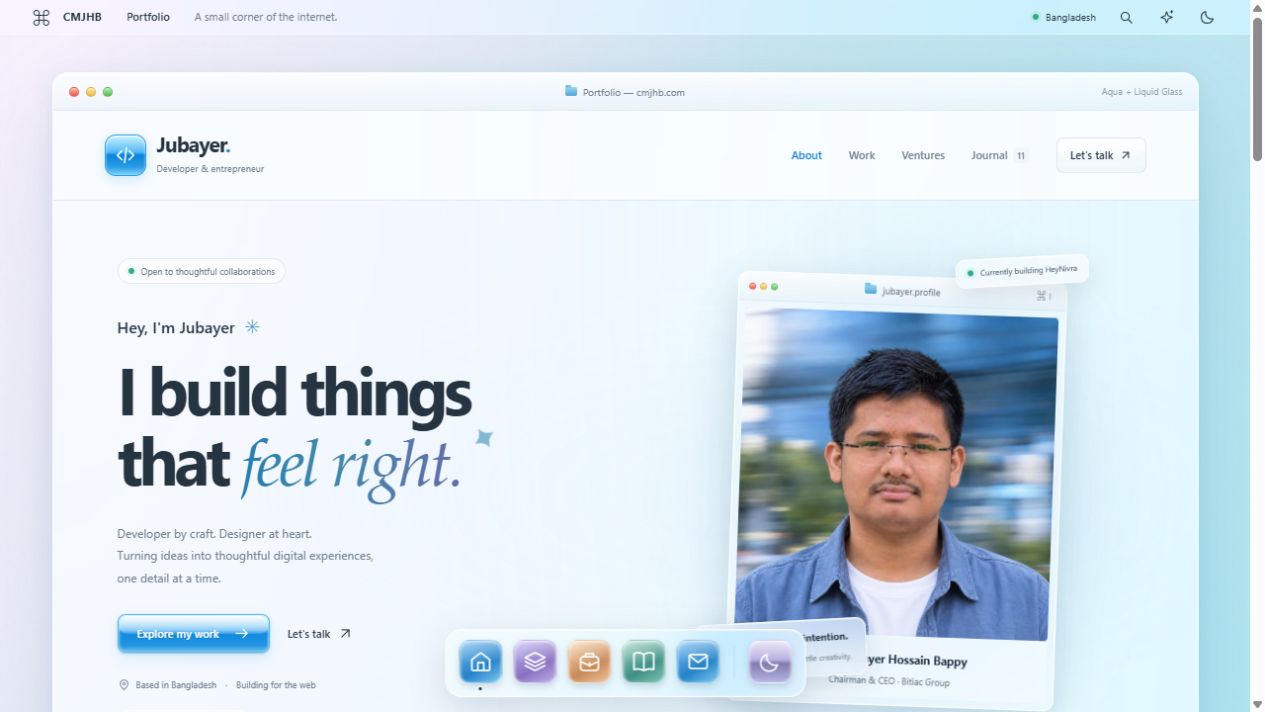
Less noise. More glass.
A little Aqua nostalgia. A little light through glass. I rebuilt my corner of the internet to feel softer, simpler, and more like me.
Good architecture starts with fewer moving parts.
A practical way to think about systems: start with the problem, keep the boundaries clear, and earn the complexity.
Before you add another WooCommerce plugin, measure.
Slow shops rarely need another mystery fix. They need a clear diagnosis, careful changes, and a checkout that still works.