A fast website is a feeling you have to measure.
Why quick loading, stable layouts, and responsive interactions need separate attention.

A page can load quickly and still feel awkward. The button may respond late. The text may jump when an image arrives. A beautiful animation may make a simple interaction feel slow.
Performance is not one number. It is the experience of seeing the content, understanding the layout, and being able to act.
Put the first screen first
Give the main image sensible dimensions and an appropriate file size. Avoid making the first useful content wait for optional scripts. Keep font loading predictable, with a readable fallback.
Loading everything immediately can compete with the assets the first screen actually needs. Load below-the-fold images later and keep decorative assets modest.
Make room before content arrives
Reserve image space. Keep placeholders close to the final layout. Do not insert banners above content someone has already started reading.
These choices are often simple, but they make the page feel much more settled.
Check the interaction itself
Open a menu, type into search, change a filter, and submit a form on a modest device. An expensive render or a large main-thread task may be invisible in a screenshot and obvious the moment someone taps.
Break work into smaller pieces when necessary. Avoid shipping a large library for one small effect. Respect reduced-motion settings; a visitor should not need to endure animation to use the site.
Use lab tests and real observations
A local performance test helps diagnose a change. Field data, when available, shows how people experience the site across devices and connections. Keep the two in context rather than treating either as a universal guarantee.
I do not want to promise a magic response time for every visitor. I want the page to be light enough, stable enough, and responsive enough that the interface stops getting in their way.
Keep exploring
Another thought or two.
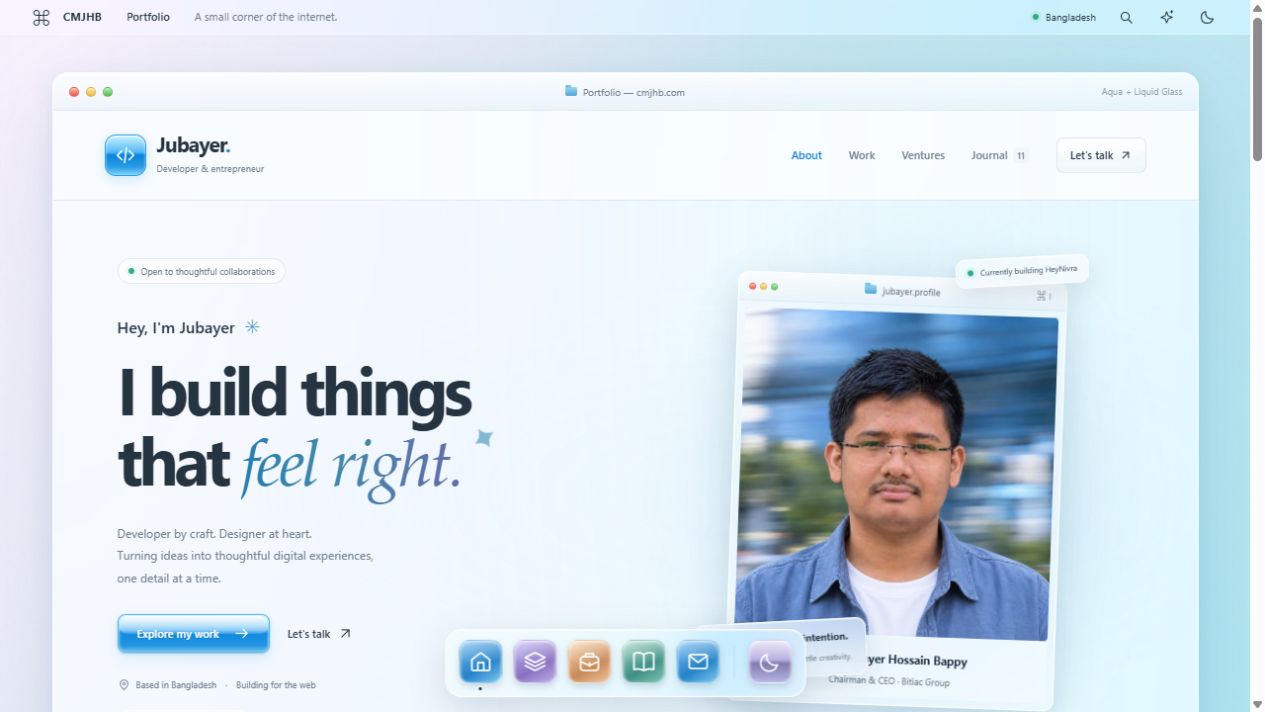
Less noise. More glass.
A little Aqua nostalgia. A little light through glass. I rebuilt my corner of the internet to feel softer, simpler, and more like me.
Good architecture starts with fewer moving parts.
A practical way to think about systems: start with the problem, keep the boundaries clear, and earn the complexity.
Before you add another WooCommerce plugin, measure.
Slow shops rarely need another mystery fix. They need a clear diagnosis, careful changes, and a checkout that still works.